Global benchmark: how cities and states are dropping parking minimums
From Buffalo to Mexico City to London, a fast-growing list of places has stopped forcing new buildings to include a fixed number of car spaces. Indian...
Our mission is to make Indian cities last longer, starting with the land given to parking and how people move.
WA Foundation exists to make Indian cities last longer: to use their land, energy and movement so well that growth stops eating the resources it depends on.
The resource Indian cities run out of first is not water or power. It is land. Surface lots, roadside parking and basement floors take prime land that could hold homes, green space or public transport. Parking also shapes how people travel, and how much carbon goes into every new building.
We will research how cities use their scarcest resources, turn that evidence into policy that city governments can adopt, and build the skills of the people who run cities to act on it.
Our first flagship study is the Pune Urban Land and Parking Audit: a ward-level measure of how much land parking takes, what it costs and what it emits. We will publish the data, the method and a policy brief for the city.
We are looking for academic partners, city bodies, CSR teams and volunteers. Get in touch.
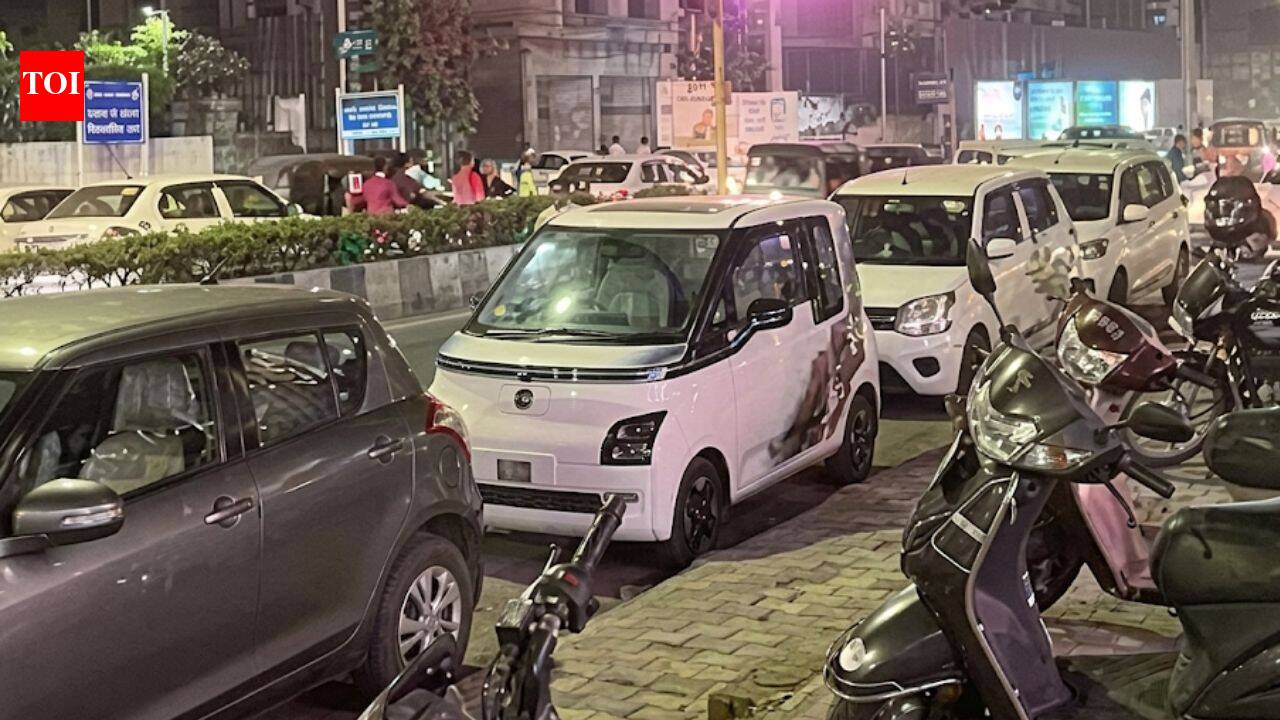 Pune airport’s 15-minute rule sparks fear of illegal parking on approach roadsPune · The Times of India · 12 Nov
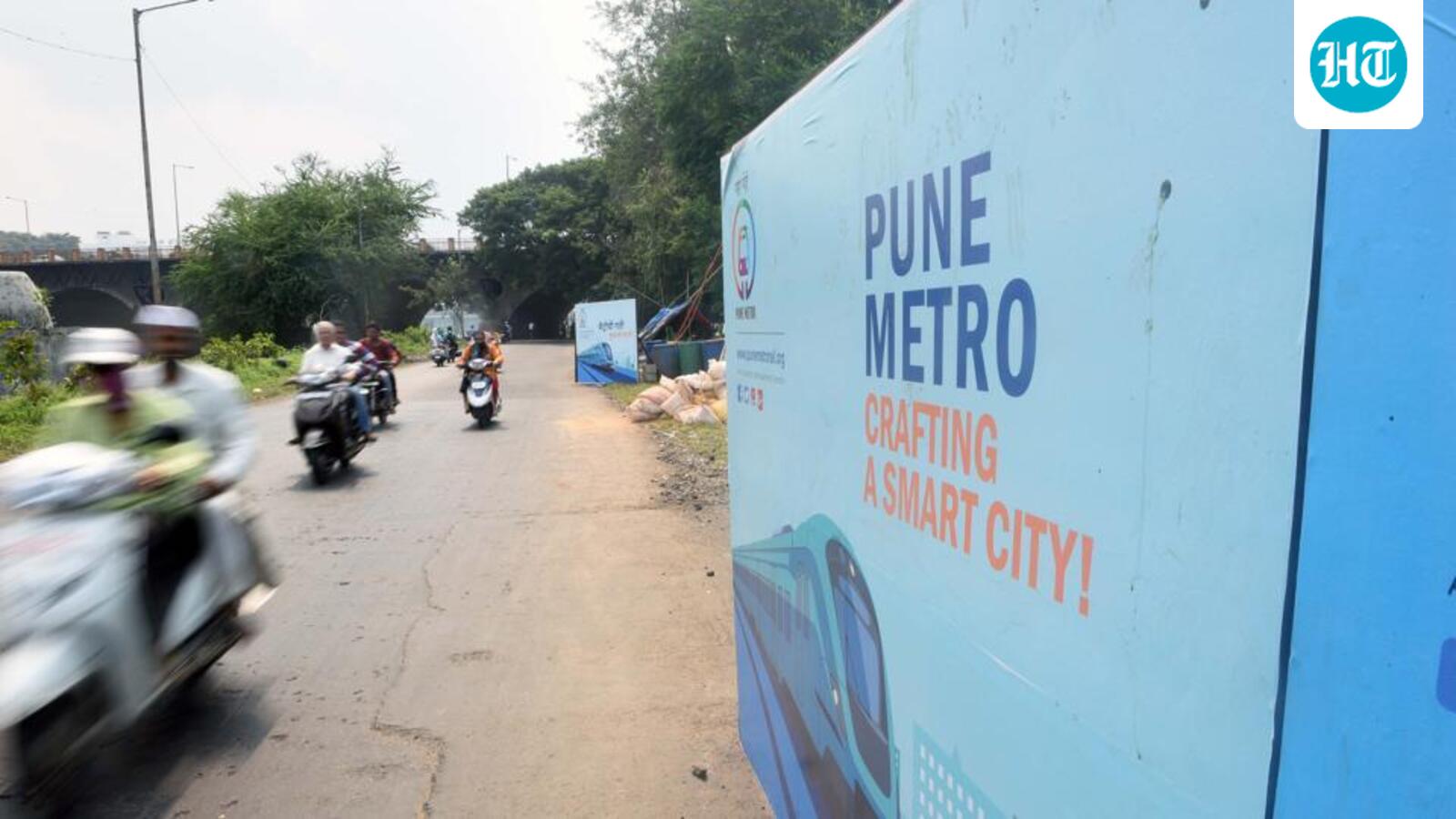 Pune Metro fails to provide parking at Swargate stn, commuters forced to park on roads | Hindustan TimesPune · Hindustan Times · 7 Nov
 Pune Metro Line 3 Begins Operations: 45-Minute Ride Excites Hinjawadi IT Employees, But Parking & Last-MilePune · Free Press Journal · 4 Nov

From Buffalo to Mexico City to London, a fast-growing list of places has stopped forcing new buildings to include a fixed number of car spaces. Indian...
When London replaced parking minimums with maximums, new development came with about 40% less parking. A short look at the evidence and what Indian ci...
In 2017 Mexico City turned its parking minimums into maximums, after finding that over 40% of building floor area went to parking. Its ecoParq meters...