Global benchmark: how cities and states are dropping parking minimums
From Buffalo to Mexico City to London, a fast-growing list of places has stopped forcing new buildings to include a fixed number of car spaces. Indian...
In 2017 Mexico City turned its parking minimums into maximums, after finding that over 40% of building floor area went to parking. Its ecoParq meters reinvest fees in the same streets.
Benchmark note · Parking policy
Before reforming, the city and ITDP gathered evidence:
In July 2017 the construction code was changed so that parking minimums became maximums. A trust fund was proposed to collect fees for each space built above the maximum, up to an absolute ceiling. ITDP estimated the reform would keep 11,000 to 17,000 private cars a year off the roads between 2017 and 2030.
In 2012 the ecoParq pilot began in Polanco with 426 meters regulating 6,000 kerbside spaces that had previously been free. Fees were reinvested in footpaths and pedestrian improvements in the same neighbourhood. Nearby neighbourhoods later asked for the programme to expand.
Mexico City's sequence is worth copying: measure how much land and floor area parking takes, publish it, then reform. Indian cities have the same mix of free kerbside parking and high minimums, and similar debates about paid parking. Linking meter revenue to visible local improvements is the part most often missing in Indian proposals.
About this note: desk research by the WA Foundation research desk, using the published sources listed above. Figures are reported as given by those sources. This is not original fieldwork and has not been externally peer reviewed. Free to reuse under CC BY 4.0 with credit to WA Foundation.
 AMC plans uniform parking charges across the cityAhmedabad · Ahmedabad Mirror · 14 Nov
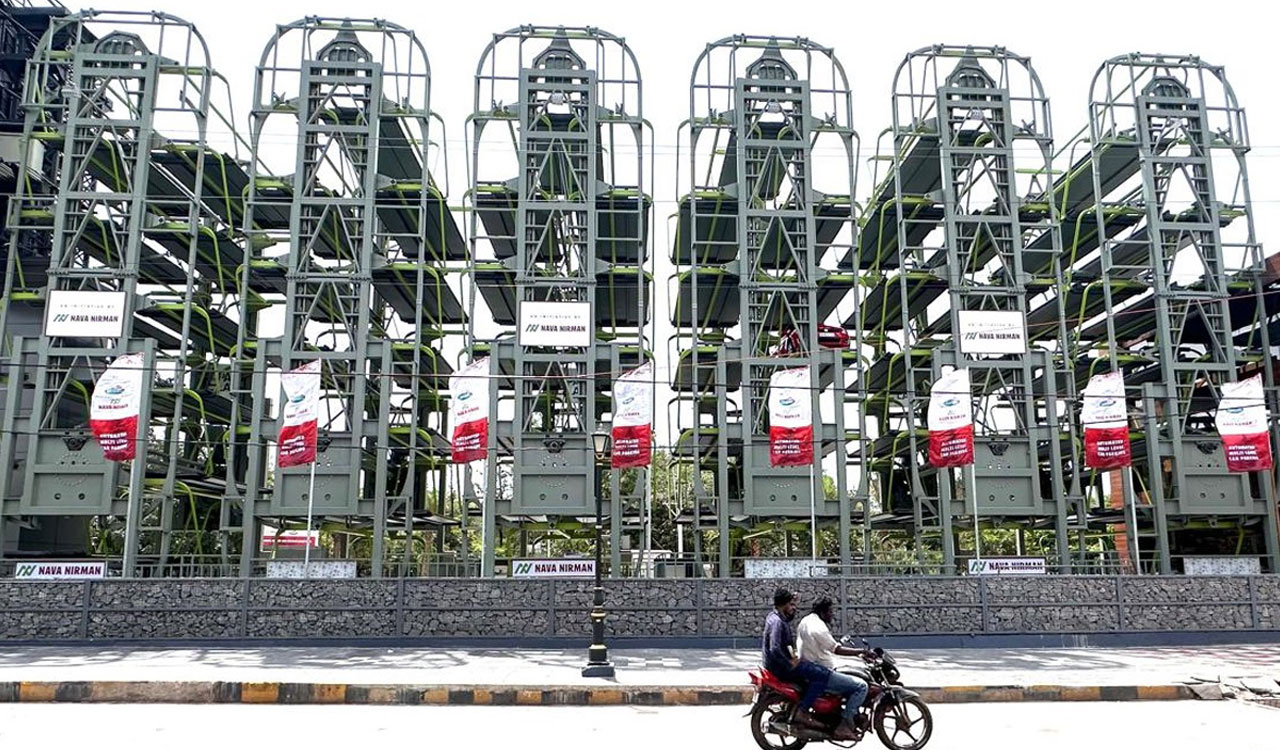 KBR Park flyover works hit usage of Hyderabad’s automated parking towerHyderabad · Telangana Today · 13 Nov
 Pune airport’s 15-minute rule sparks fear of illegal parking on approach roadsPune · The Times of India · 12 Nov

From Buffalo to Mexico City to London, a fast-growing list of places has stopped forcing new buildings to include a fixed number of car spaces. Indian...
When London replaced parking minimums with maximums, new development came with about 40% less parking. A short look at the evidence and what Indian ci...
Since a 1996 'historic compromise', Zurich has held parking in its core at 1990 levels, and every new garage space must replace one at the surface. Mo...