Global benchmark: how cities and states are dropping parking minimums
From Buffalo to Mexico City to London, a fast-growing list of places has stopped forcing new buildings to include a fixed number of car spaces. Indian...
Since 1990 Singapore has capped vehicle growth with Certificates of Entitlement bought at auction. It is the most direct ownership control of any major city.
Benchmark note · Car ownership
Singapore's Vehicle Quota System began on 1 May 1990 (first bidding on 2 April 1990). Anyone who wants to register a vehicle must first win a Certificate of Entitlement (COE) in that vehicle's category. A fixed number of COEs is released each month, and the price is set by bidding.
Every car needs at least one parking space at home and often another at each destination. Controlling the number of cars controls parking demand at the source. Most cities manage parking only after cars have been bought.
A national quota like Singapore's is unlikely in India's federal setting. But two parts translate:
About this note: desk research by the WA Foundation research desk, using the published sources listed above. Figures are reported as given by those sources. This is not original fieldwork and has not been externally peer reviewed. Free to reuse under CC BY 4.0 with credit to WA Foundation.
 AMC plans uniform parking charges across the cityAhmedabad · Ahmedabad Mirror · 14 Nov
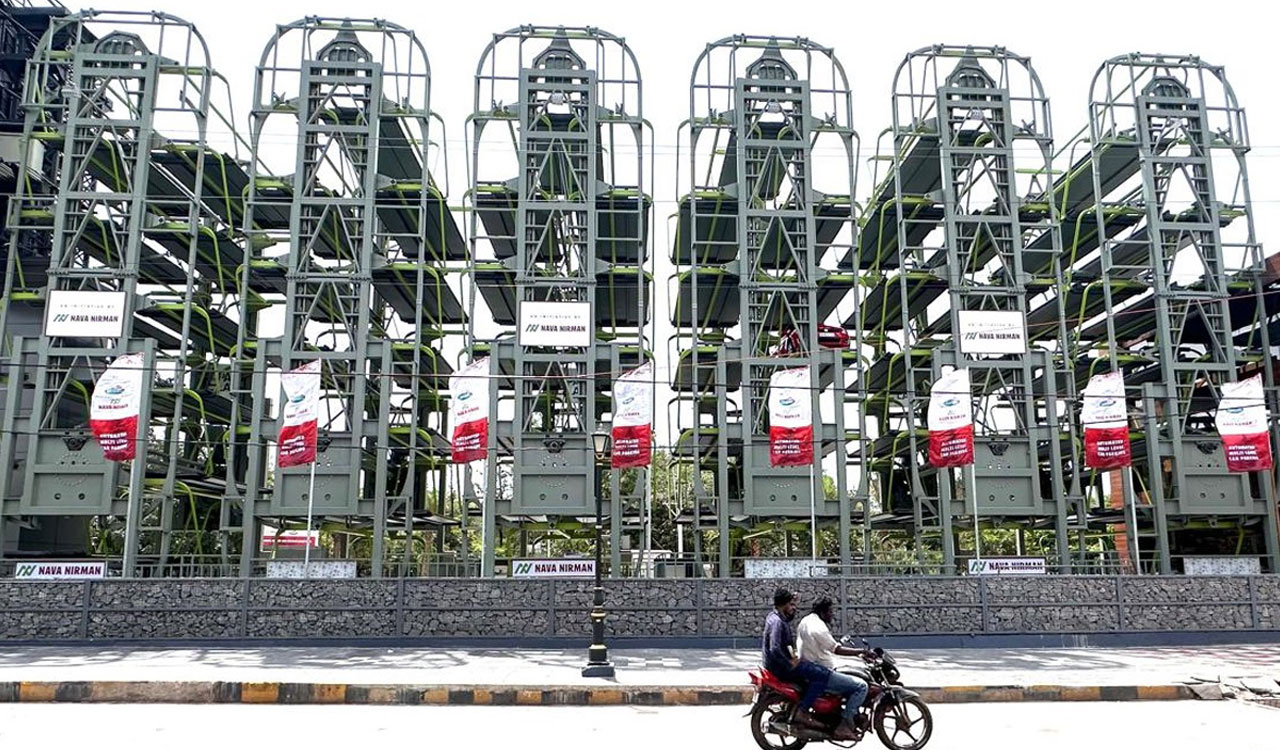 KBR Park flyover works hit usage of Hyderabad’s automated parking towerHyderabad · Telangana Today · 13 Nov
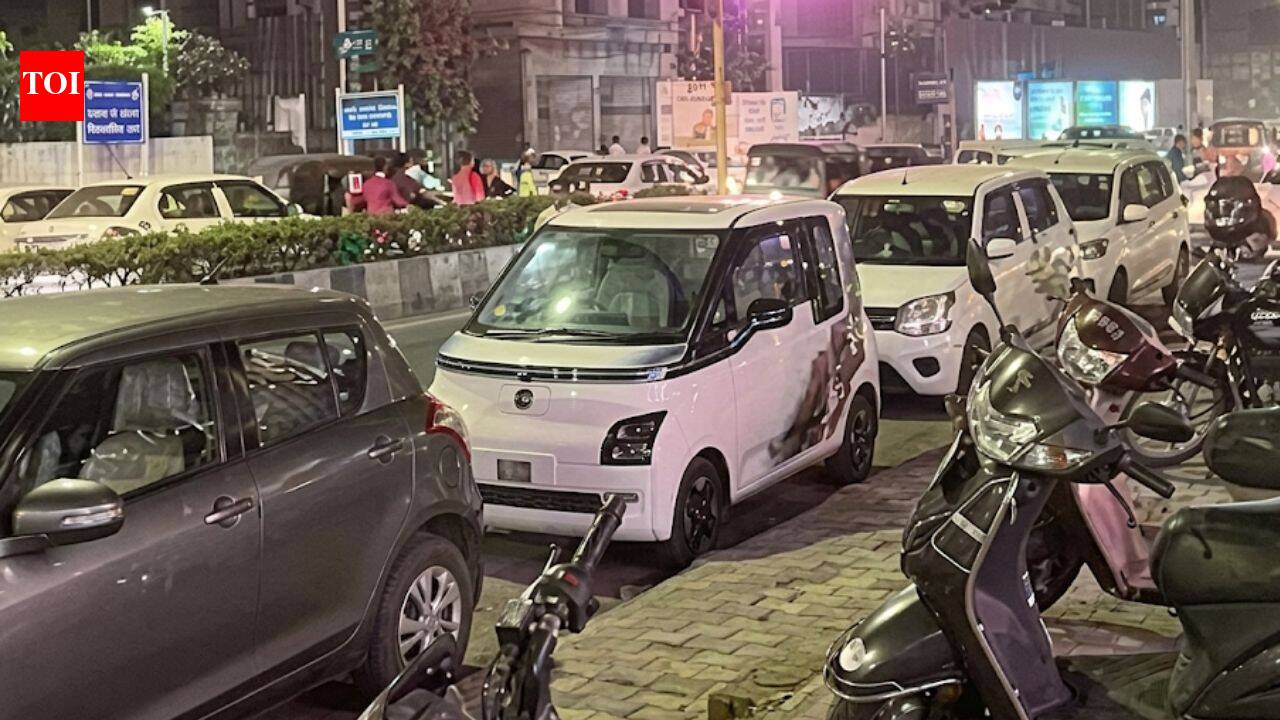 Pune airport’s 15-minute rule sparks fear of illegal parking on approach roadsPune · The Times of India · 12 Nov

From Buffalo to Mexico City to London, a fast-growing list of places has stopped forcing new buildings to include a fixed number of car spaces. Indian...
When London replaced parking minimums with maximums, new development came with about 40% less parking. A short look at the evidence and what Indian ci...
In 2017 Mexico City turned its parking minimums into maximums, after finding that over 40% of building floor area went to parking. Its ecoParq meters...