Global benchmark: how cities and states are dropping parking minimums
From Buffalo to Mexico City to London, a fast-growing list of places has stopped forcing new buildings to include a fixed number of car spaces. Indian...
When eight California employers offered staff cash instead of a free parking space, solo driving fell from 76% to 63% and commuter vehicle miles fell 12%.
Benchmark note · Employer parking
Many employers give staff free parking. Employees who take the bus, cycle or share a car receive nothing equivalent. Parking cash-out, required for some California employers under a 1992 state law, gives employees the choice: keep the parking space, or take its value in cash.
Donald Shoup evaluated eight case studies in Southern California (one public agency and seven private firms, 1,694 employees in total). After cash-out:
Large Indian employers, IT parks, hospitals and government campuses provide free or heavily subsidised parking, and building rules require them to. Cash-out is a low-conflict reform: nobody loses their space, and those who give it up are rewarded.
A large employer in Pune or Bengaluru could offer a monthly travel allowance to any employee who surrenders a parking permit, then publish mode-share before and after. Freed spaces could go to two-wheelers, visitors or EV charging.
About this note: desk research by the WA Foundation research desk, using the published sources listed above. Figures are reported as given by those sources. This is not original fieldwork and has not been externally peer reviewed. Free to reuse under CC BY 4.0 with credit to WA Foundation.
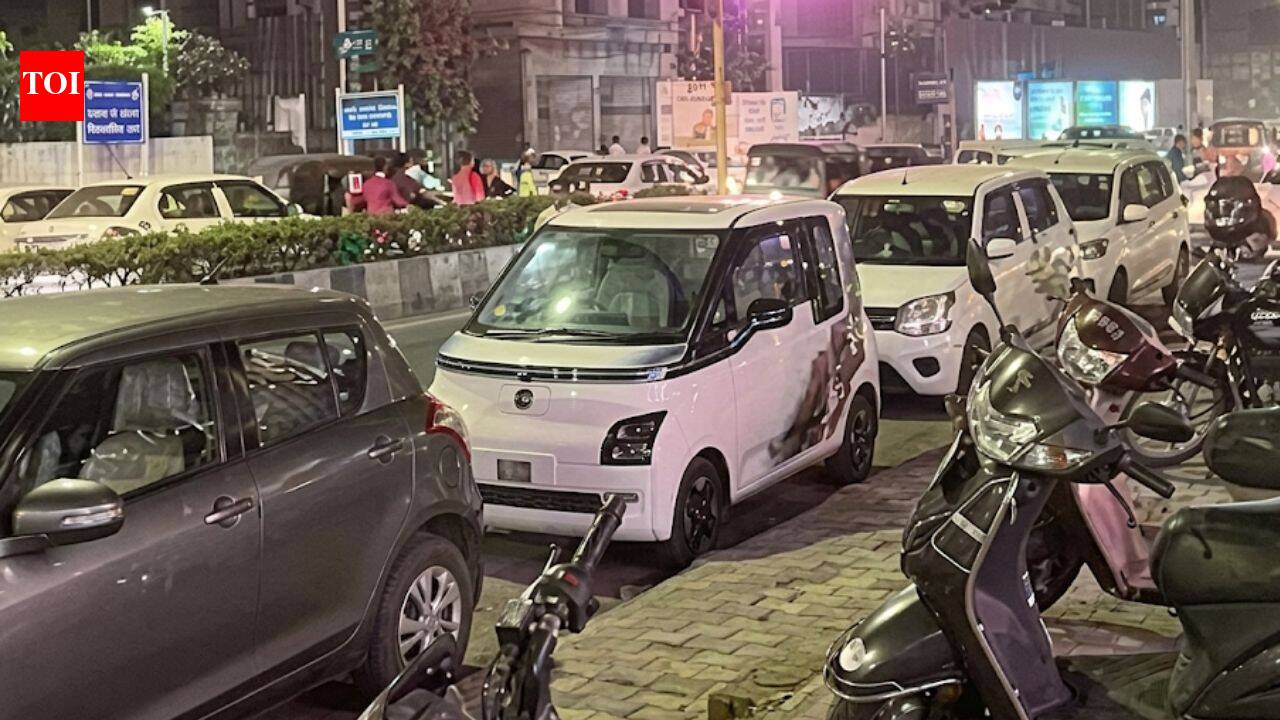 Pune airport’s 15-minute rule sparks fear of illegal parking on approach roadsPune · The Times of India · 12 Nov
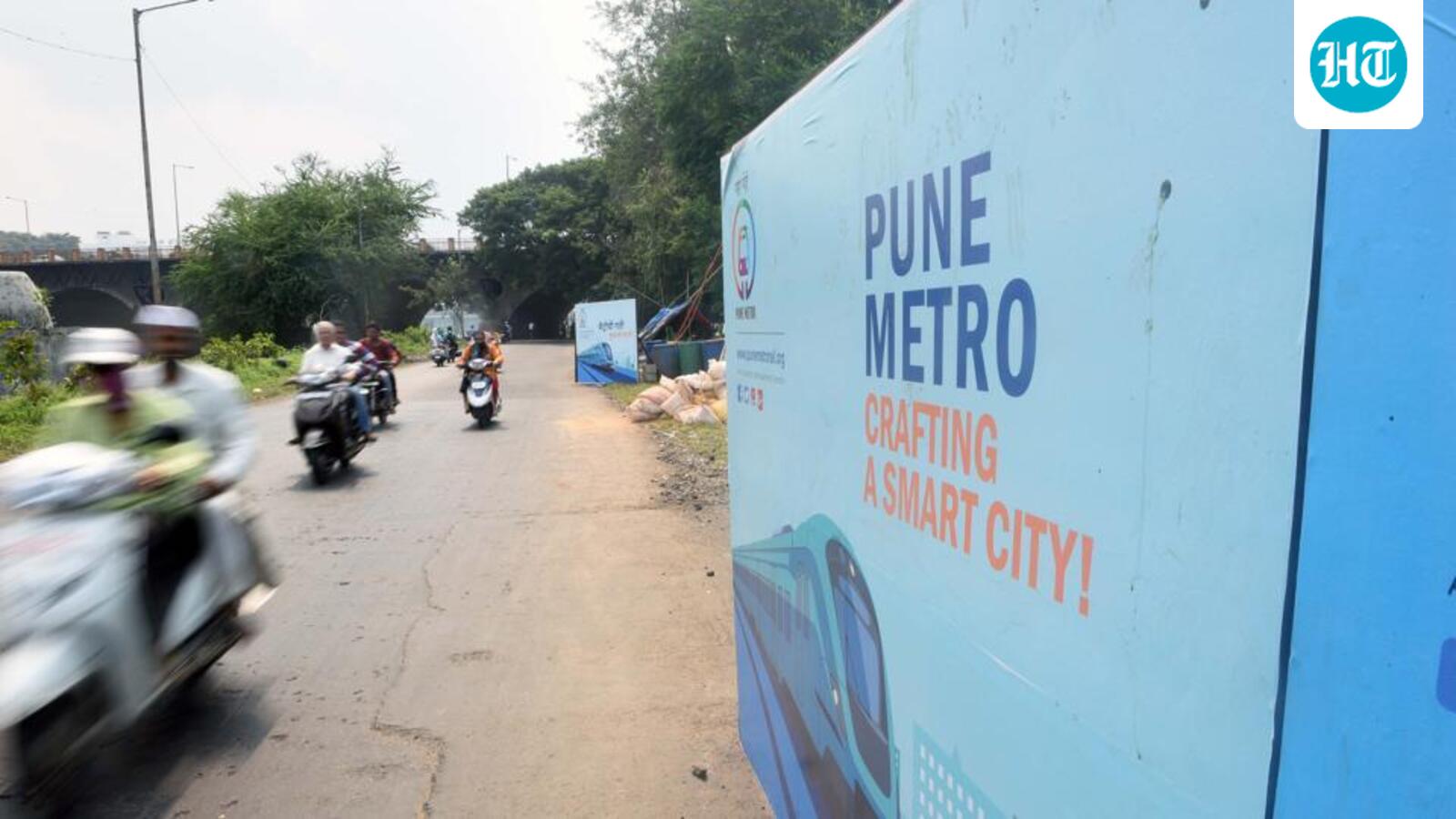 Pune Metro fails to provide parking at Swargate stn, commuters forced to park on roads | Hindustan TimesPune · Hindustan Times · 7 Nov
 Pune Metro Line 3 Begins Operations: 45-Minute Ride Excites Hinjawadi IT Employees, But Parking & Last-MilePune · Free Press Journal · 4 Nov

From Buffalo to Mexico City to London, a fast-growing list of places has stopped forcing new buildings to include a fixed number of car spaces. Indian...
When London replaced parking minimums with maximums, new development came with about 40% less parking. A short look at the evidence and what Indian ci...
In 2017 Mexico City turned its parking minimums into maximums, after finding that over 40% of building floor area went to parking. Its ecoParq meters...