Global benchmark: how cities and states are dropping parking minimums
From Buffalo to Mexico City to London, a fast-growing list of places has stopped forcing new buildings to include a fixed number of car spaces. Indian...
In its first year, New York's congestion charge cut daily vehicle entries by 11% and raised over $550 million for transit. Pricing road space and pricing kerb space follow the same logic.
Benchmark note · Pricing
New York began charging most vehicles to enter Manhattan south of 60th Street on 5 January 2025. The New York State Governor's office reported these first-year results on 5 January 2026:
These figures are from the state government and should be read alongside independent evaluations as they appear.
Congestion charging prices the use of road space; parking charges price the storage of cars on public space. Both rest on the same principle: scarce urban space should not be free at the busiest times, and revenue should improve the alternatives.
No Indian city has a congestion charge, but every city has kerbside parking. Paid, demand-based parking in central areas is the closest available tool, and politically easier to start than a cordon charge. New York's experience suggests success depends on visible revenue use (transit improvements) and publishing results regularly.
About this note: desk research by the WA Foundation research desk, using the published sources listed above. Figures are reported as given by those sources. This is not original fieldwork and has not been externally peer reviewed. Free to reuse under CC BY 4.0 with credit to WA Foundation.
 AMC plans uniform parking charges across the cityAhmedabad · Ahmedabad Mirror · 14 Nov
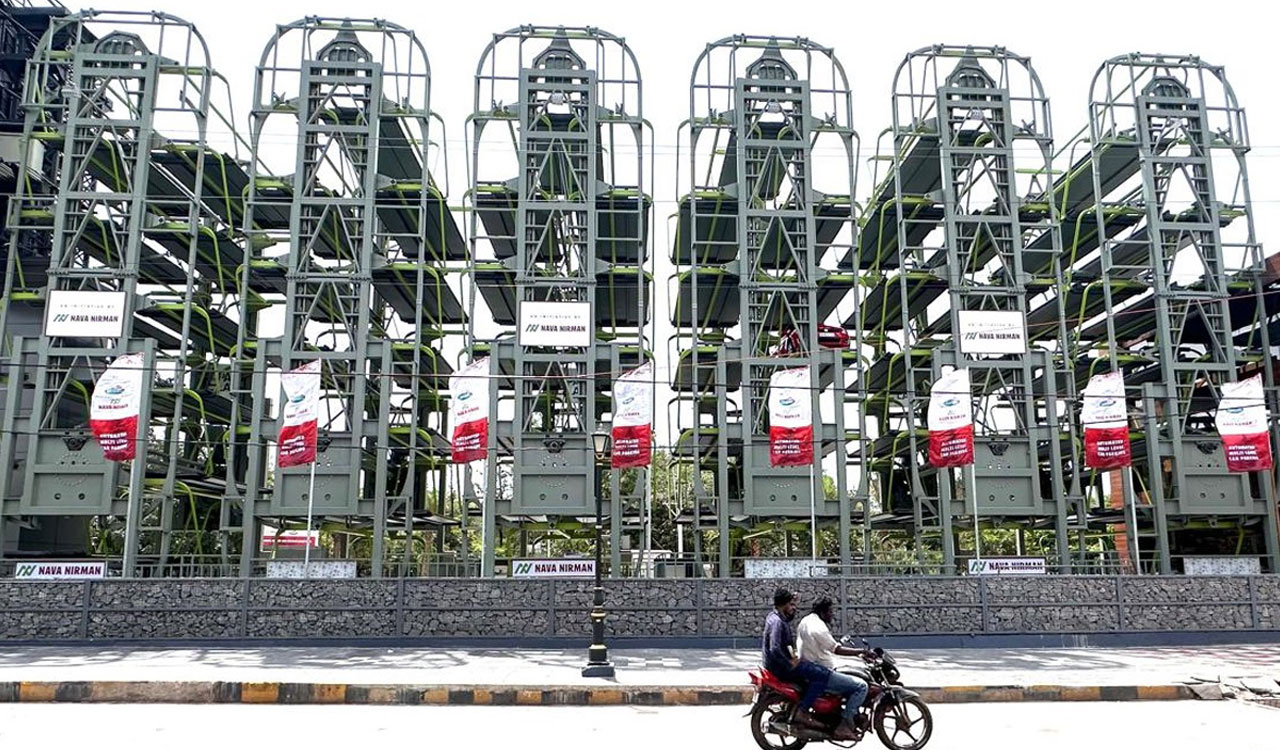 KBR Park flyover works hit usage of Hyderabad’s automated parking towerHyderabad · Telangana Today · 13 Nov
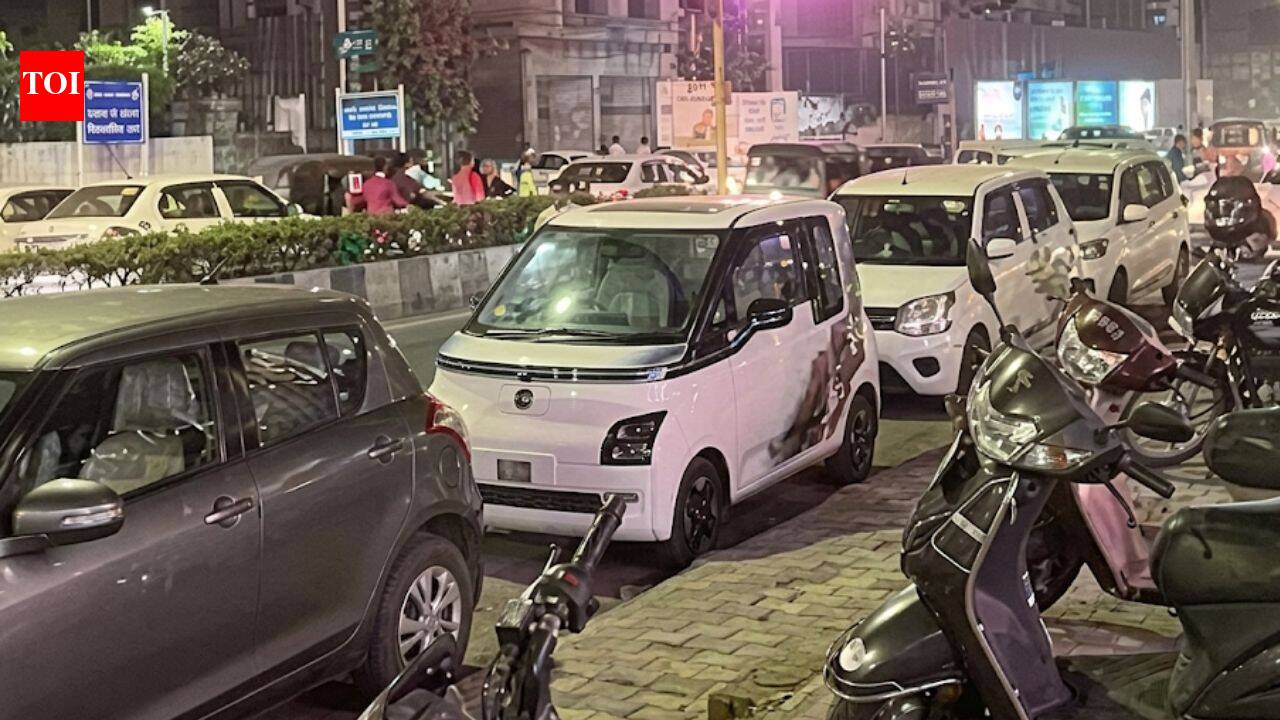 Pune airport’s 15-minute rule sparks fear of illegal parking on approach roadsPune · The Times of India · 12 Nov

From Buffalo to Mexico City to London, a fast-growing list of places has stopped forcing new buildings to include a fixed number of car spaces. Indian...
When London replaced parking minimums with maximums, new development came with about 40% less parking. A short look at the evidence and what Indian ci...
In 2017 Mexico City turned its parking minimums into maximums, after finding that over 40% of building floor area went to parking. Its ecoParq meters...