Global benchmark: how cities and states are dropping parking minimums
From Buffalo to Mexico City to London, a fast-growing list of places has stopped forcing new buildings to include a fixed number of car spaces. Indian...
Before any city spends crores on a multi-level car park, it should count cars for a week. A simple, repeatable method that municipal teams, colleges and resident groups can use.
Method note · Data
Most Indian parking decisions, such as building a multi-level car park, introducing pay-and-park, or changing bye-laws, are made without basic data on how full existing parking is. This note sets out a simple method based on international practice.
Choose a compact area: a market street, a ward or a station area. Map every block face and every off-street facility open to the public.
For each block face, record legal spaces (marked or estimated by length), illegal parking locations (footpaths, junctions, bus stops) and off-street capacity. Delhi's draft Malviya Nagar plan, for example, recorded 3,411 spaces.
Walk the same route at fixed times, for example 9 am, 12 noon, 3 pm, 6 pm and 9 pm, on two weekdays and one weekend day. Record cars and two-wheelers separately. Photographs with timestamps make the data checkable.
Note partial licence plates at each round to estimate how long vehicles stay. Long-stay parking on shopping streets usually signals underpricing.
Share the method, raw counts and maps openly, so the city, residents and traders can check them and repeat the survey after any change.
WA Foundation will publish its full field protocol with the Pune Urban Land and Parking Audit.
About this note: desk research by the WA Foundation research desk, using the published sources listed above. Figures are reported as given by those sources. This is not original fieldwork and has not been externally peer reviewed. Free to reuse under CC BY 4.0 with credit to WA Foundation.
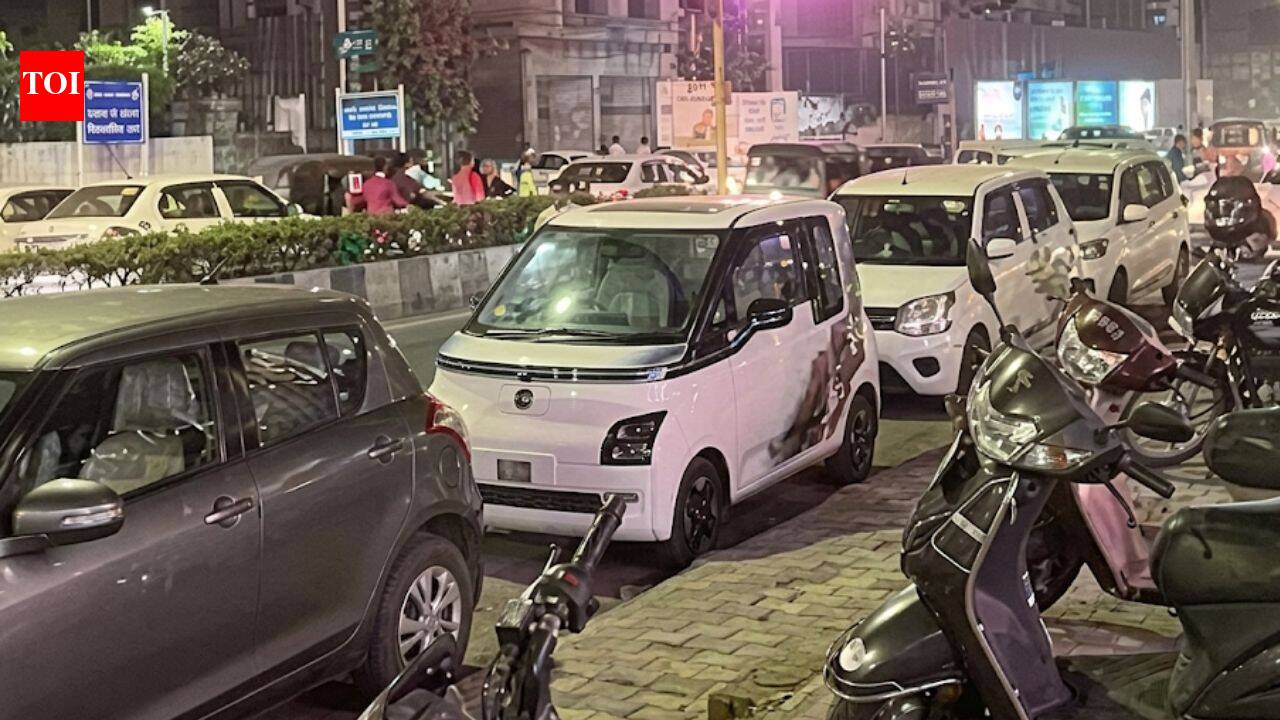 Pune airport’s 15-minute rule sparks fear of illegal parking on approach roadsPune · The Times of India · 12 Nov
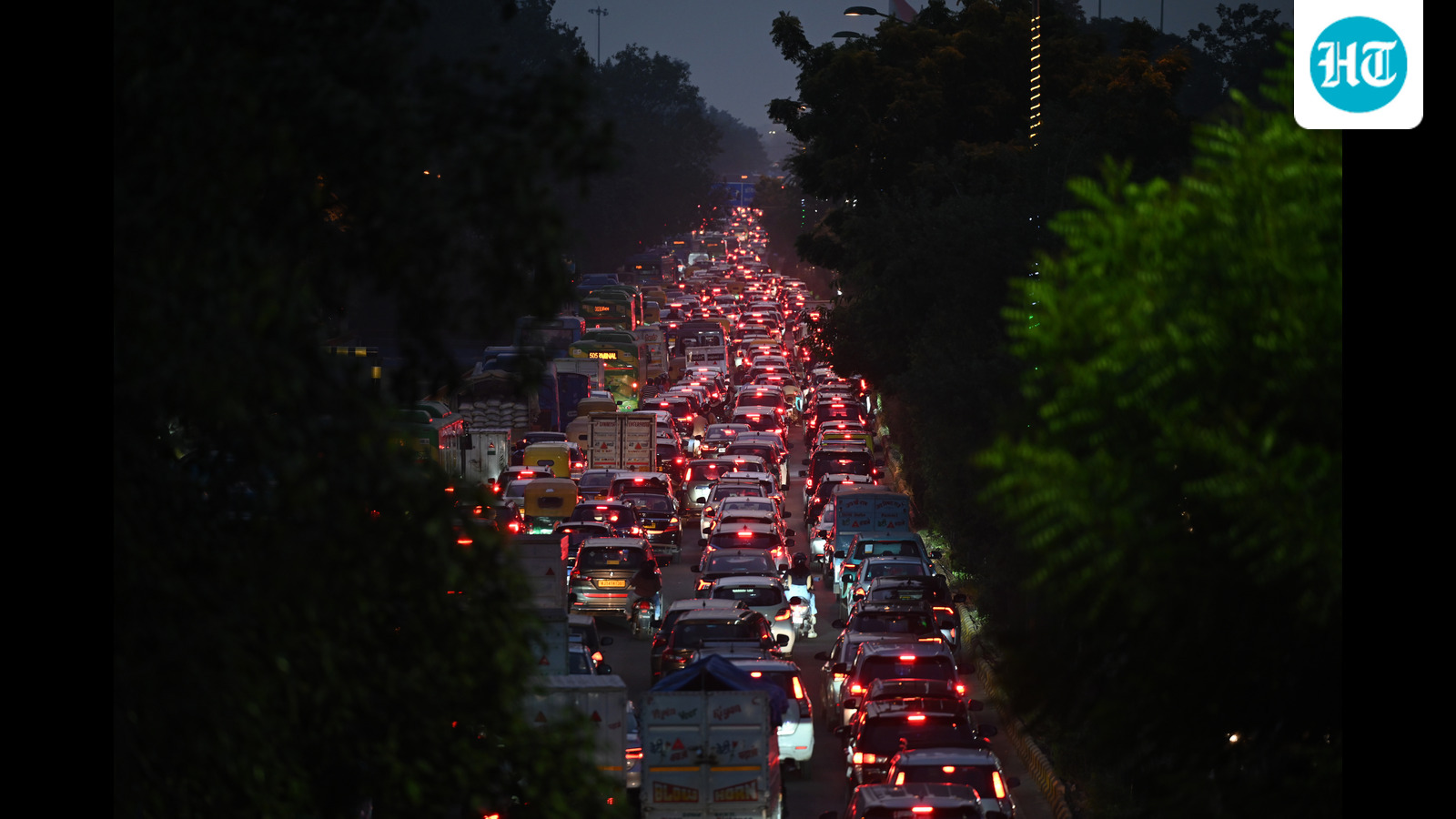 Traffic police ask banquet owners to arrange dedicated parking | Latest News DelhiDelhi · Hindustan Times · 11 Nov
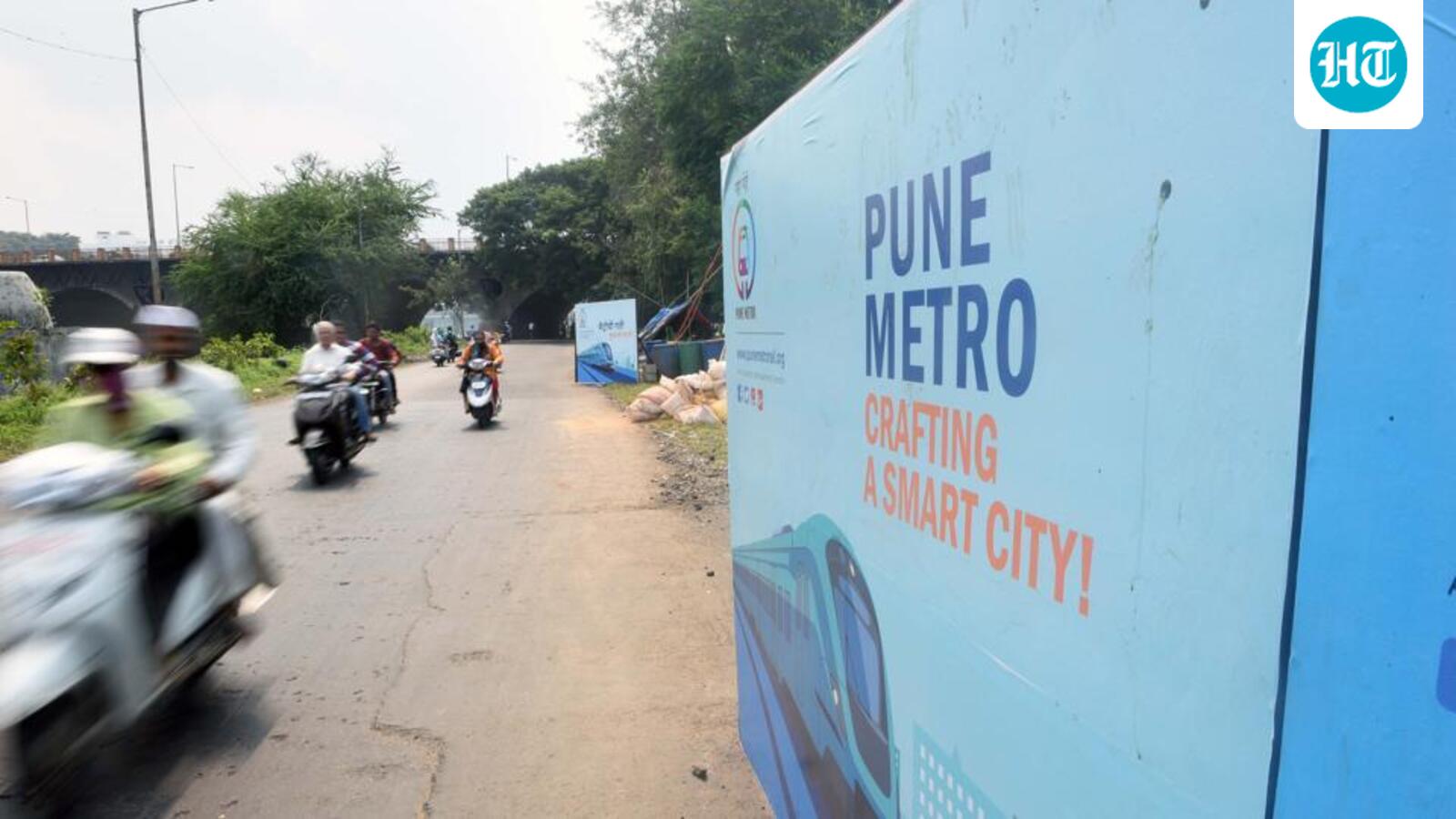 Pune Metro fails to provide parking at Swargate stn, commuters forced to park on roads | Hindustan TimesPune · Hindustan Times · 7 Nov

From Buffalo to Mexico City to London, a fast-growing list of places has stopped forcing new buildings to include a fixed number of car spaces. Indian...
When London replaced parking minimums with maximums, new development came with about 40% less parking. A short look at the evidence and what Indian ci...
In 2017 Mexico City turned its parking minimums into maximums, after finding that over 40% of building floor area went to parking. Its ecoParq meters...