Global benchmark: how cities and states are dropping parking minimums
From Buffalo to Mexico City to London, a fast-growing list of places has stopped forcing new buildings to include a fixed number of car spaces. Indian...
SFpark adjusted meter prices block by block to keep 60% to 80% of spaces occupied. Evaluations found more blocks hit that target, less congestion and modestly higher bus ridership.
Benchmark note · Pricing
If a street is always full, drivers circle. If it is always empty, the price is too high. SFpark, launched by San Francisco in 2011, tried to find the right price for each block so that one or two spaces were usually free.
A research brief by the Transportation Research and Education Center (TREC) reported that after implementation:
The brief does not give exact percentages for these changes, so we do not quote any.
Pune, Mumbai and Bengaluru are all debating paid on-street parking. Most proposals set one flat hourly rate for a whole zone. SFpark shows a different principle: the price is a tool to keep spaces available, not mainly a revenue target. Indian cities already install sensors and apps; the missing step is using occupancy data to set and publish prices.
Publish occupancy by street, before and after pricing. If a street stays above 85% full at peak, the price is too low; if it falls below 50%, it is too high.
About this note: desk research by the WA Foundation research desk, using the published sources listed above. Figures are reported as given by those sources. This is not original fieldwork and has not been externally peer reviewed. Free to reuse under CC BY 4.0 with credit to WA Foundation.
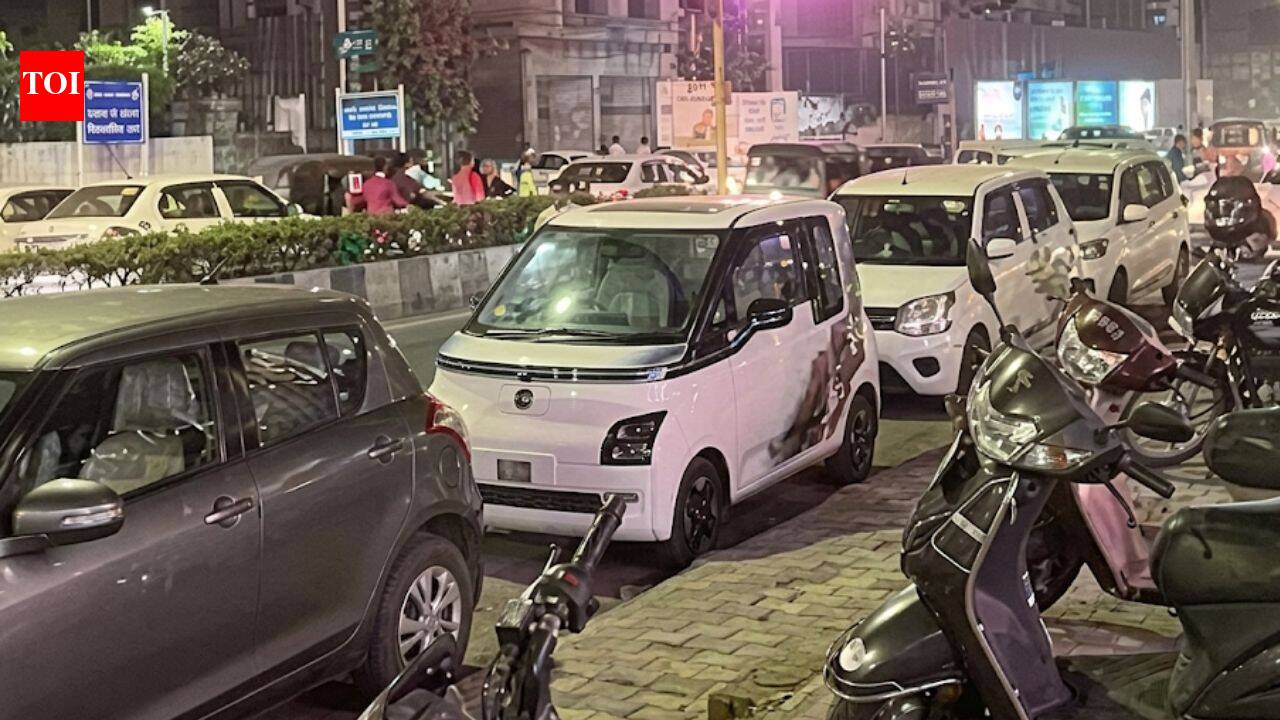 Pune airport’s 15-minute rule sparks fear of illegal parking on approach roadsPune · The Times of India · 12 Nov
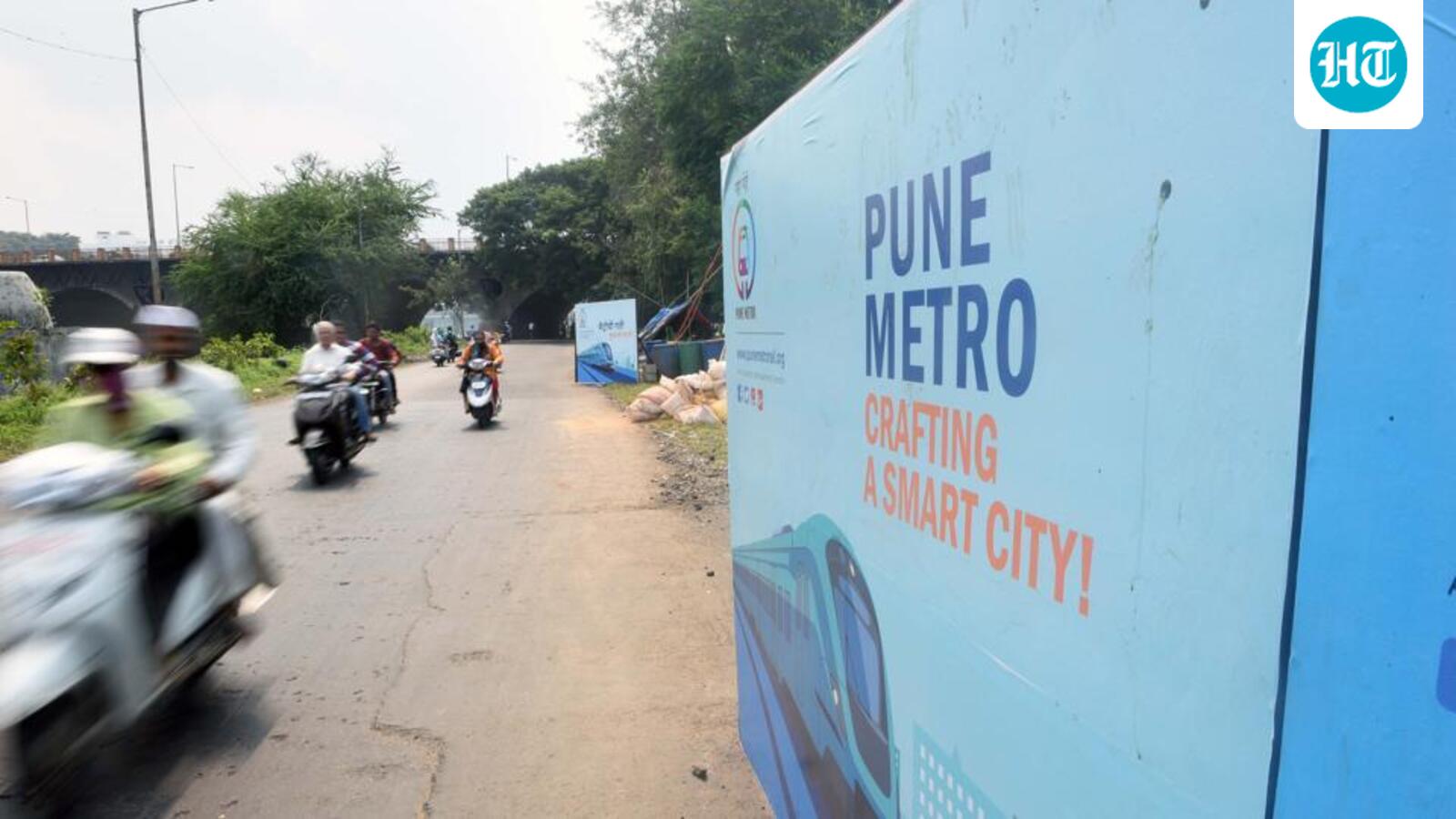 Pune Metro fails to provide parking at Swargate stn, commuters forced to park on roads | Hindustan TimesPune · Hindustan Times · 7 Nov
 Pune Metro Line 3 Begins Operations: 45-Minute Ride Excites Hinjawadi IT Employees, But Parking & Last-MilePune · Free Press Journal · 4 Nov

From Buffalo to Mexico City to London, a fast-growing list of places has stopped forcing new buildings to include a fixed number of car spaces. Indian...
When London replaced parking minimums with maximums, new development came with about 40% less parking. A short look at the evidence and what Indian ci...
In 2017 Mexico City turned its parking minimums into maximums, after finding that over 40% of building floor area went to parking. Its ecoParq meters...