Global benchmark: how cities and states are dropping parking minimums
From Buffalo to Mexico City to London, a fast-growing list of places has stopped forcing new buildings to include a fixed number of car spaces. Indian...
Delhi was the first Indian city to notify parking rules, in 2019, with area parking plans, priced kerbside parking and revenue for local streets. Four years on, most plans had not been implemented.
India policy review · Delhi
The Delhi Maintenance and Management of Parking Places Rules, 2019, notified under the Motor Vehicles Act, require:
Some clauses on pricing in residential areas were dropped from the final notification.
By August 2023, ThePrint reported that most of the policy had not been implemented. The former South Delhi Municipal Corporation drafted 16 area plans; four were notified and two implemented, both in Lajpat Nagar. Plans for some colonies stalled after residents said they had not been consulted. The Malviya Nagar draft recorded 3,411 spaces, with demand leaving 575 cars without a space.
In October 2026, the Lieutenant Governor directed agencies to intensify joint enforcement, consider uniform charges across agencies, integrate live vacancy data, and decide on a single Delhi parking authority.
About this note: desk research by the WA Foundation research desk, using the published sources listed above. Figures are reported as given by those sources. This is not original fieldwork and has not been externally peer reviewed. Free to reuse under CC BY 4.0 with credit to WA Foundation.
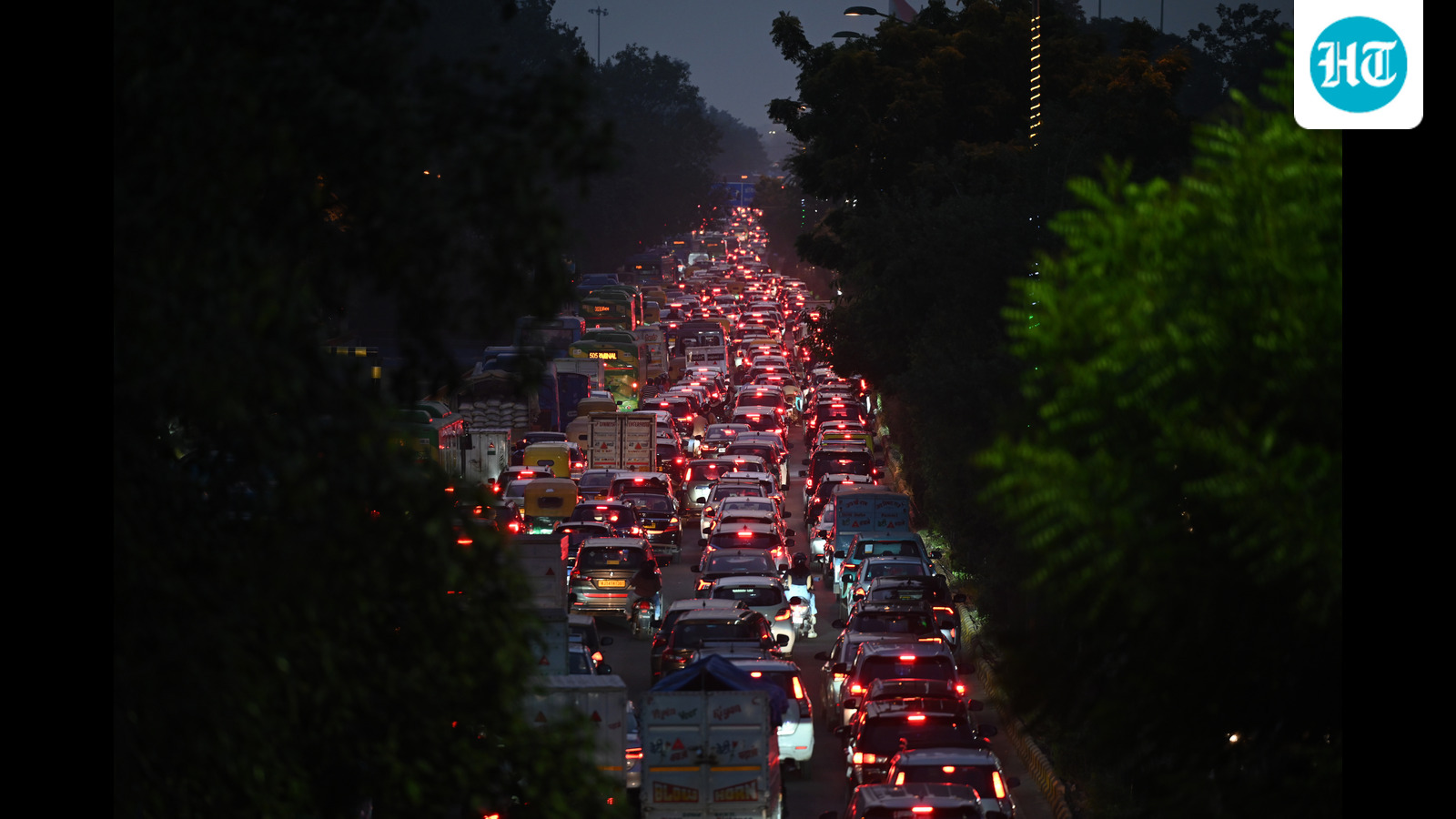 Traffic police ask banquet owners to arrange dedicated parking | Latest News DelhiDelhi · Hindustan Times · 11 Nov
 NDMC doubles parking charges till February 28 next year to tackle air pollutionDelhi · The New Indian Express · 5 Nov
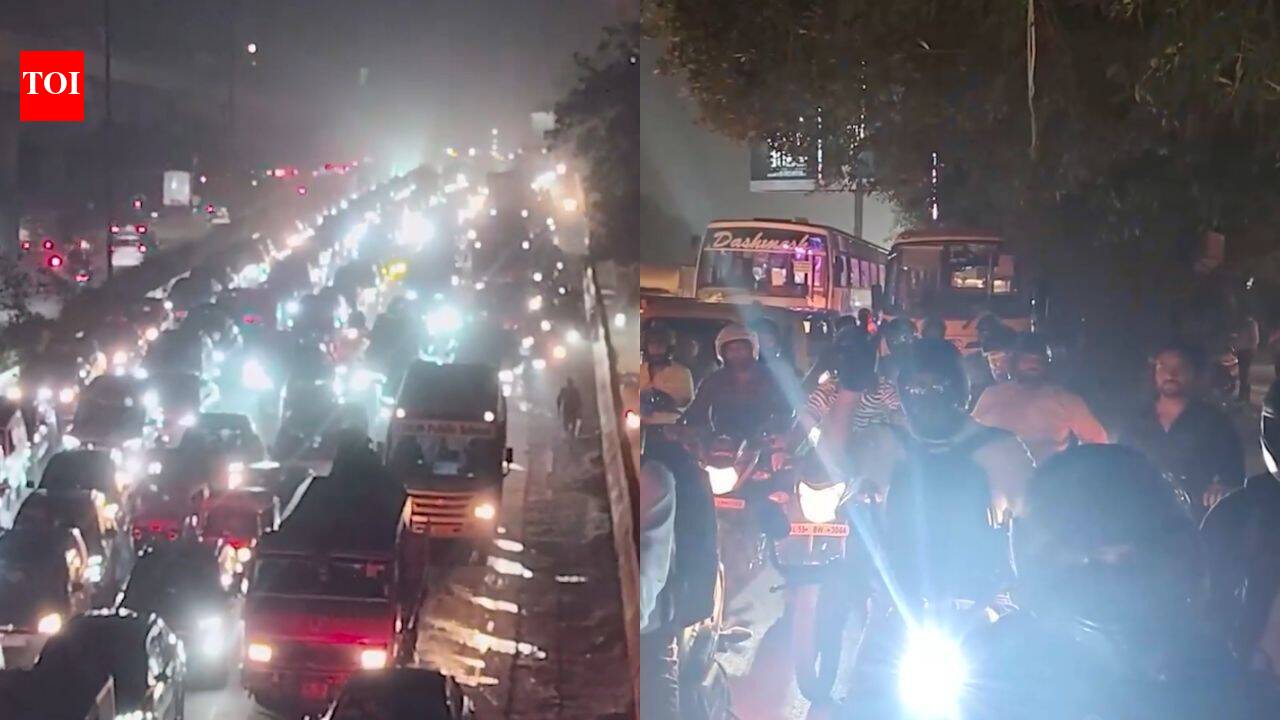 Diwali rush, GRAP curbs bring Delhi to a crawl: Long jams, illegal parking leave commuters fumingDelhi · The Times of India · 4 Nov

From Buffalo to Mexico City to London, a fast-growing list of places has stopped forcing new buildings to include a fixed number of car spaces. Indian...
When London replaced parking minimums with maximums, new development came with about 40% less parking. A short look at the evidence and what Indian ci...
In 2017 Mexico City turned its parking minimums into maximums, after finding that over 40% of building floor area went to parking. Its ecoParq meters...