Global benchmark: how cities and states are dropping parking minimums
From Buffalo to Mexico City to London, a fast-growing list of places has stopped forcing new buildings to include a fixed number of car spaces. Indian...
Three different methods, using UK, US and international data, all find that a typical car is parked roughly 95% of the time. Parking, not driving, is how cars mostly use space.
Evidence check · Land use
The figure is usually traced to Donald Shoup's The High Cost of Free Parking. Paul Barter of Reinventing Parking tested it three ways, as reported by Streetsblog:
All three use data from the 1990s or earlier, but the result is consistent.
When cities plan for cars they usually think about roads. Yet a car spends almost all of its life standing still, at home, at work, at shops. Every car therefore needs land for parking in several places, most of the time.
India's vehicle fleet keeps growing, and most new cars have to be stored somewhere: in basements, on stilts, or on the street. If cars are parked about 95% of the time, the land given to storing them is a far larger planning question than it is usually treated as. Measuring that land, as WA Foundation's Pune audit sets out to do, is the starting point.
About this note: desk research by the WA Foundation research desk, using the published sources listed above. Figures are reported as given by those sources. This is not original fieldwork and has not been externally peer reviewed. Free to reuse under CC BY 4.0 with credit to WA Foundation.
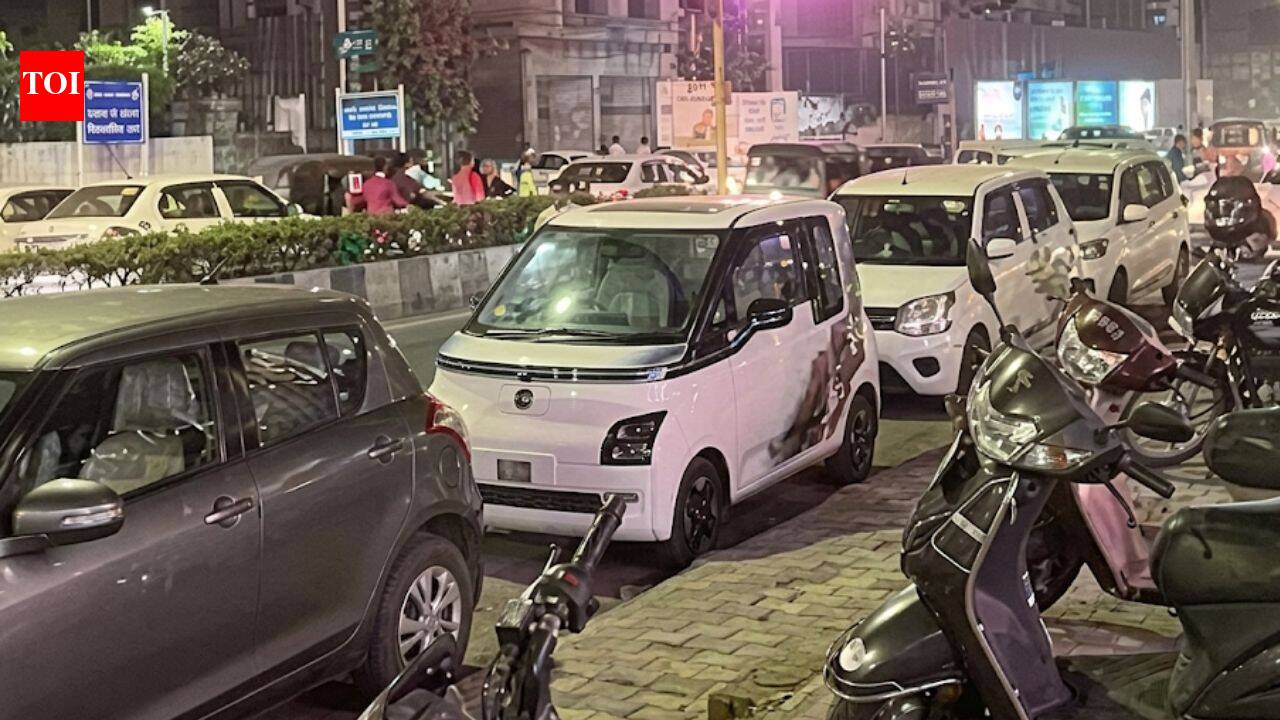 Pune airport’s 15-minute rule sparks fear of illegal parking on approach roadsPune · The Times of India · 12 Nov
 Pune Metro fails to provide parking at Swargate stn, commuters forced to park on roads | Hindustan TimesPune · Hindustan Times · 7 Nov
 Pune Metro Line 3 Begins Operations: 45-Minute Ride Excites Hinjawadi IT Employees, But Parking & Last-MilePune · Free Press Journal · 4 Nov

From Buffalo to Mexico City to London, a fast-growing list of places has stopped forcing new buildings to include a fixed number of car spaces. Indian...
When London replaced parking minimums with maximums, new development came with about 40% less parking. A short look at the evidence and what Indian ci...
In 2017 Mexico City turned its parking minimums into maximums, after finding that over 40% of building floor area went to parking. Its ecoParq meters...