Global benchmark: how cities and states are dropping parking minimums
From Buffalo to Mexico City to London, a fast-growing list of places has stopped forcing new buildings to include a fixed number of car spaces. Indian...
Bengaluru approved Parking Policy 2.0 in 2021 and in 2026 published draft rules proposing no free parking citywide, residential permits of ₹15,000 to ₹25,000 a year and no on-street non-residential parking near metro stations.
India policy review · Bengaluru
Drafted by the Directorate of Urban Land Transport and approved by the Karnataka government (reported February 2021), the policy proposed:
Reported in June and August 2026, the drafts go much further:
The rules were open for objections and suggestions.
Permits linked to off-street provision echo Japan's proof-of-parking rule; restrictions near stations echo transit-area reforms in California and Virginia; ring-fenced revenue echoes parking benefit districts. The open question is enforcement capacity.
About this note: desk research by the WA Foundation research desk, using the published sources listed above. Figures are reported as given by those sources. This is not original fieldwork and has not been externally peer reviewed. Free to reuse under CC BY 4.0 with credit to WA Foundation.
 Backlash puts brakes on GBA’S parking policyBengaluru · The New Indian Express · 26 Oct
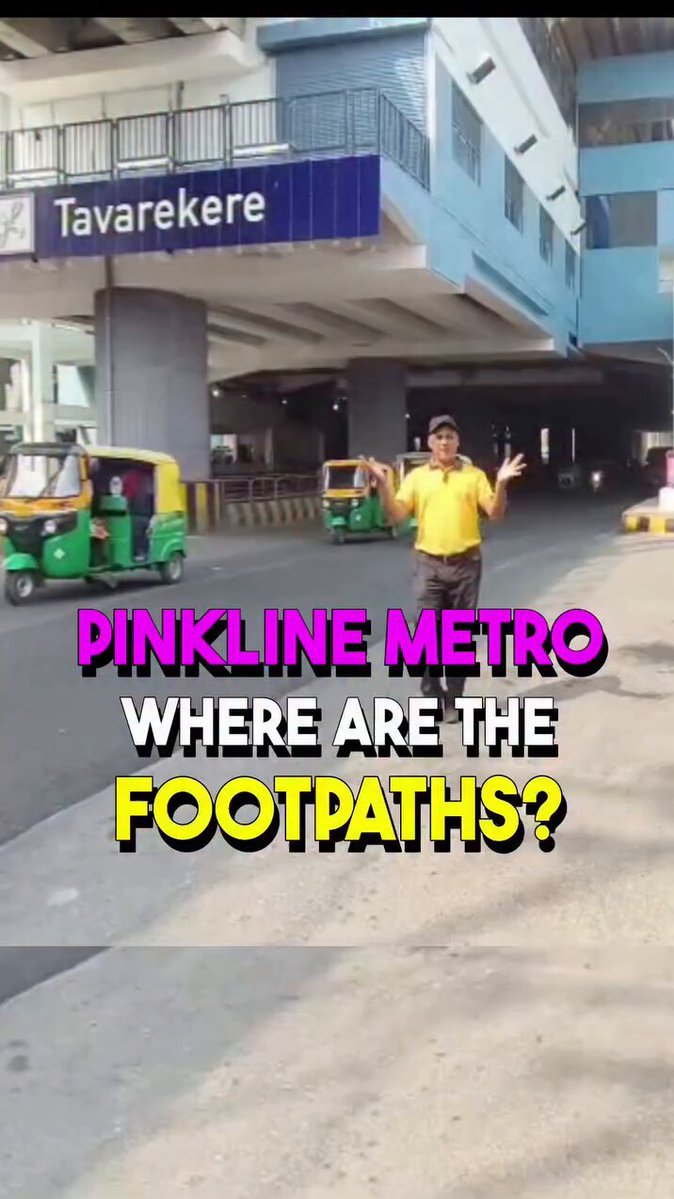 Bannerghatta Road Footpaths Being Repaired and Developed Ahead of Pink Line Metro Services, Says GBABengaluru · The Bengaluru Live · 12 Nov
 Bengaluru metro: Pink Line set for launch, but civic infra, last-mile connectivity lagBengaluru · Deccan Herald · 12 Nov

From Buffalo to Mexico City to London, a fast-growing list of places has stopped forcing new buildings to include a fixed number of car spaces. Indian...
When London replaced parking minimums with maximums, new development came with about 40% less parking. A short look at the evidence and what Indian ci...
In 2017 Mexico City turned its parking minimums into maximums, after finding that over 40% of building floor area went to parking. Its ecoParq meters...