Global benchmark: how cities and states are dropping parking minimums
From Buffalo to Mexico City to London, a fast-growing list of places has stopped forcing new buildings to include a fixed number of car spaces. Indian...
Amsterdam planned to remove up to 11,200 on-street spaces by the end of 2025 by not reissuing permits. By 2026 it was ending its last free parking zones.
Benchmark note · Kerbside management
In 2019 Amsterdam decided to reduce on-street parking without banning cars. Instead of removing spaces overnight, it targeted permits:
For scale, the city had 432,000 parking places: 265,000 on-street and 167,000 in garages.
About this note: desk research by the WA Foundation research desk, using the published sources listed above. Figures are reported as given by those sources. This is not original fieldwork and has not been externally peer reviewed. Free to reuse under CC BY 4.0 with credit to WA Foundation.
 AMC plans uniform parking charges across the cityAhmedabad · Ahmedabad Mirror · 14 Nov
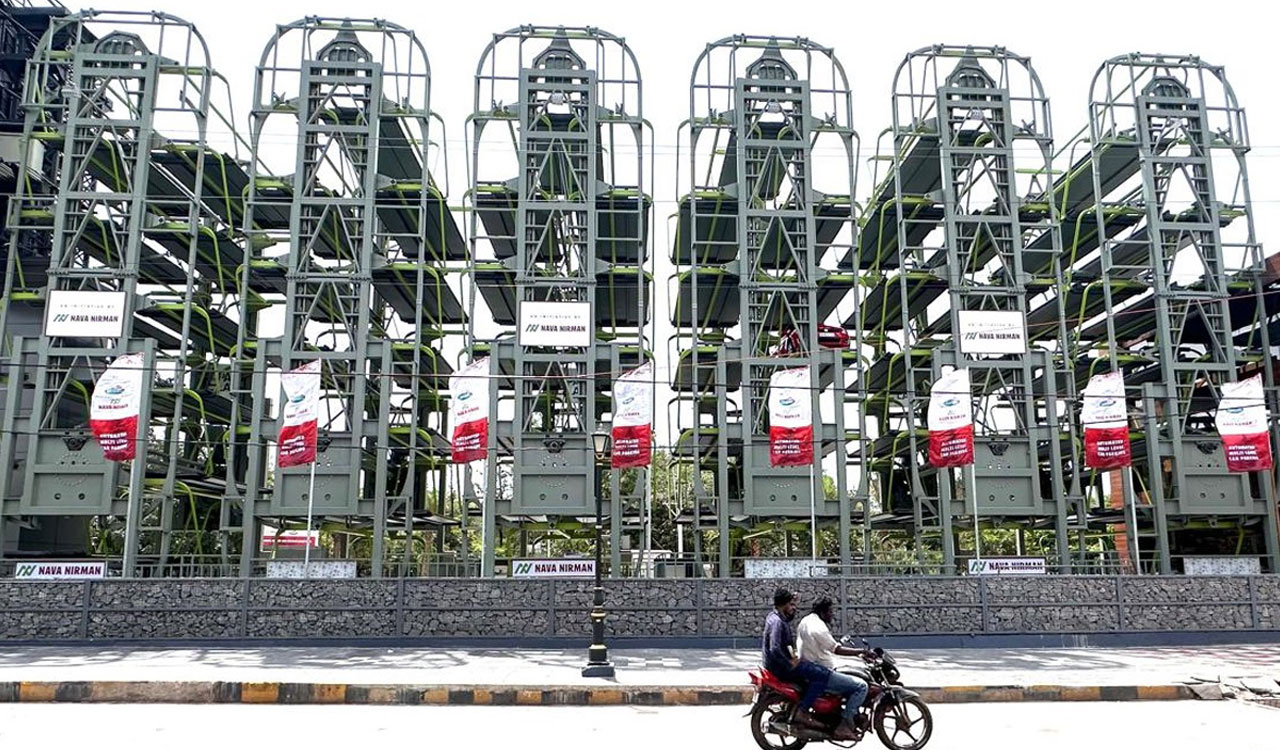 KBR Park flyover works hit usage of Hyderabad’s automated parking towerHyderabad · Telangana Today · 13 Nov
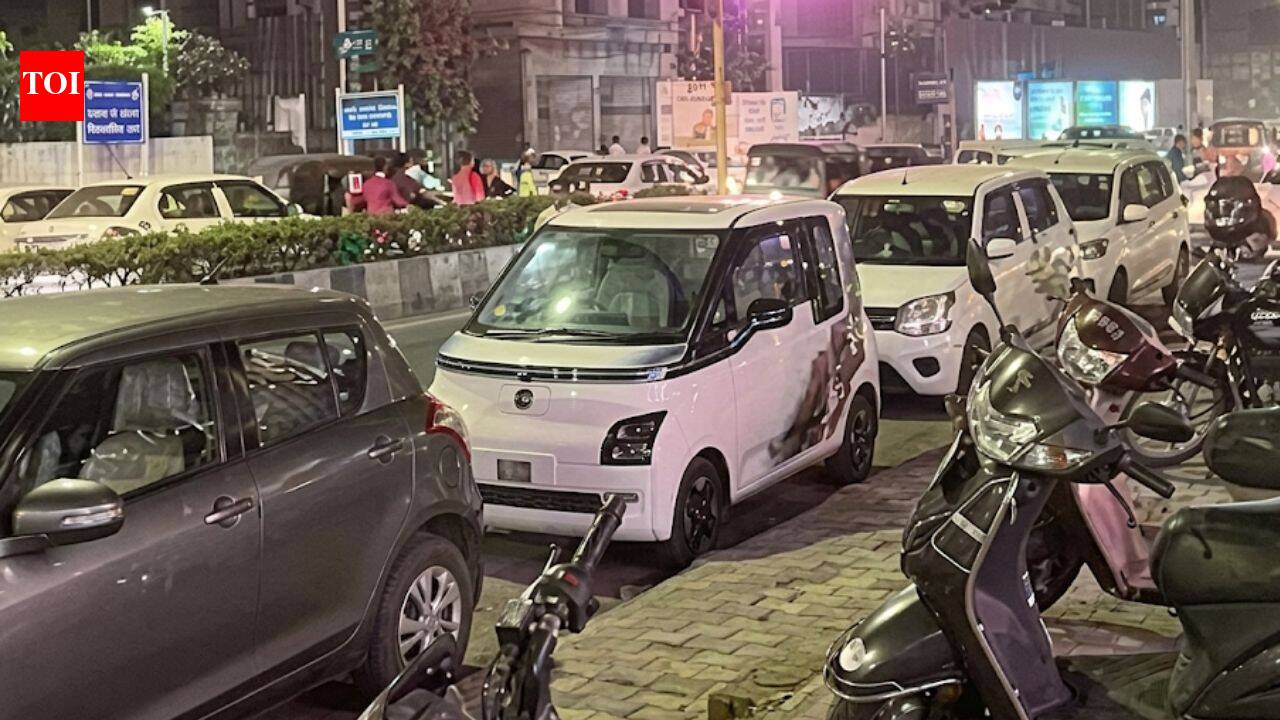 Pune airport’s 15-minute rule sparks fear of illegal parking on approach roadsPune · The Times of India · 12 Nov

From Buffalo to Mexico City to London, a fast-growing list of places has stopped forcing new buildings to include a fixed number of car spaces. Indian...
When London replaced parking minimums with maximums, new development came with about 40% less parking. A short look at the evidence and what Indian ci...
In 2017 Mexico City turned its parking minimums into maximums, after finding that over 40% of building floor area went to parking. Its ecoParq meters...